
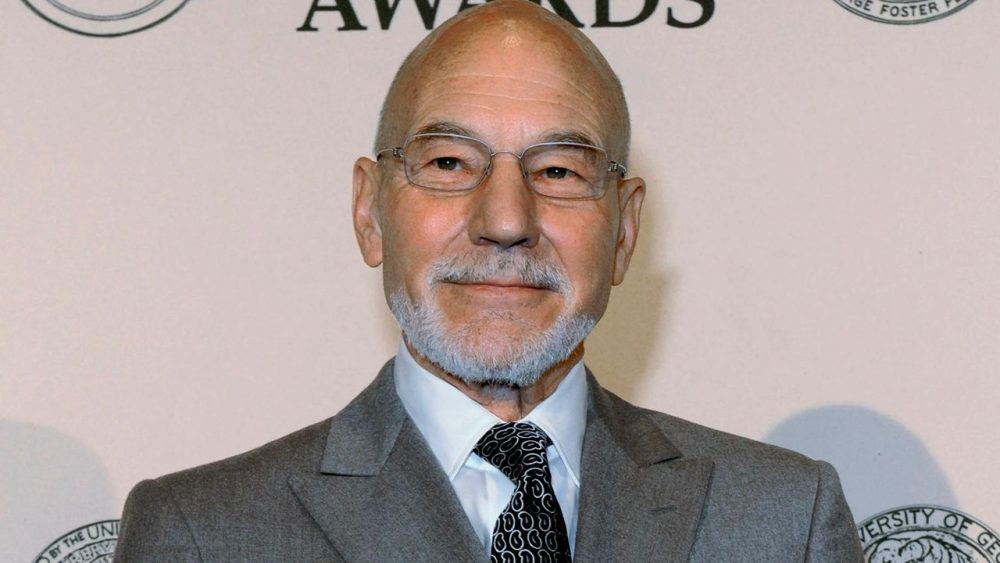
Recently, the world was rocked by the death of Patrick Stewart. He became world-famous by playing Captain Picard on Star Trek: The Next Generation, and he later played Charles Xavier in the popular X-Men movies. Thanks to these roles (and other delightful roles, including a recurring cameo on American Dad), Stewart had generations of fans. Those fans were understandably devastated when Stewart recently passed away. After all, it seemed like the good captain would always be part of their lives.
What made Stewart’s death that much more painful is the revelation that he had been suffering from dementia. None of his millions of fans could have guessed this, as Stewart stayed very busy; in fact, he’s a major performer in the upcoming Avengers: Doomsday, which is the most ambitious Marvel movie ever made. Stewart successfully hid his diagnosis, and he’s not alone; in fact, some of the most famous people in the entire world hid their own dementia from the world. Which celebs are we talking about, and why did they hide their diagnosis? Keep reading to discover the answers!
Gene Wilder
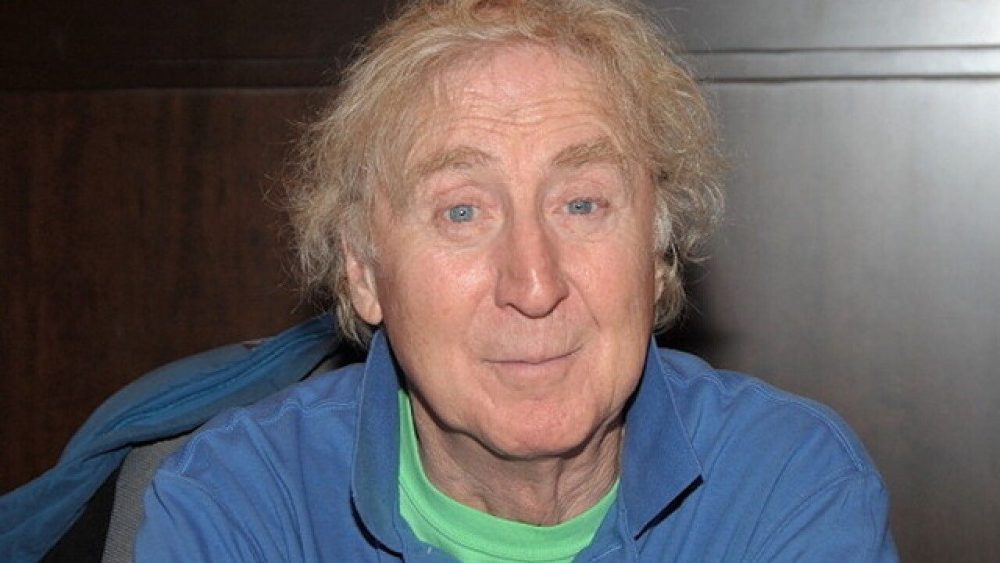
Gene Wilder left an unmistakable mark on Hollywood. He starred in many films, including the hilariously transgressive Blazing Saddles. But he is arguably best known as the titular star of Willy Wonka & the Chocolate Factory. In the film, he offers children who find the coveted golden ticket a tour of his mysterious candy factory. But as those crazy kids break the rules, they experience one bizarre fate after another.
To those children onscreen, Wonka was something of a villain. But he was a hero to the millions of young children who made Willy Wonka one of the most famous movies in the world. Gene Wilder never wanted his young fans to lose their love of that film, which is why he hid the Alzheimer’s diagnosis he received three years before his 2016 death. Simply put, he never wanted anyone to associate Willy Wonka & the Chocolate Factory with anything other than pure, unadulterated joy.
RELATED: 10 Early Warning Signs of Alzheimer’s and Dementia
Diane Keaton
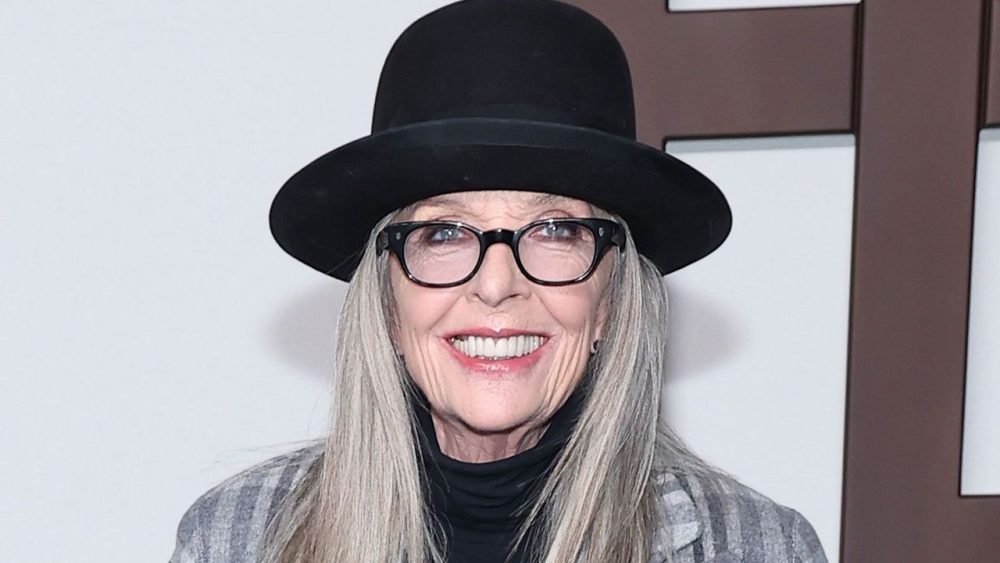
Long before her death in 2025, Diane Keaton established herself as a screen legend thanks to roles in films such as Annie Hall. She continued acting until very close to her death; in fact, her last film was Summer Camp, which came out in 2024. But she shot it in 2022, and it ended up being one of the most difficult movies in her long career. The reason for that is simple: when she was filming it, she was already suffering from dementia. Despite keeping this diagnosis a secret for years, her performance in Summer Camp effectively revealed her condition to everyone on set.
Specifically, Keaton struggled to memorize her lines, something that hadn’t been an issue earlier in her career. She had to be fed lines via an earpiece, and according to an insider who worked on the movie, this was both tragic and disruptive. “If there was any stopping — a bathroom break, a meal, anything — it was back to square one. It was heartbreaking to watch.”
While everyone on the set of Summer Camp knew that Diane Keaton suffered from dementia, they didn’t reveal that sensitive information to the world. Thus, when news of this broke after her death, it was a huge surprise to many of them. Maybe we shouldn’t have been that surprised, though. After all, Keaton’s mother suffered from dementia, and this condition is hereditary.
Tony Bennett
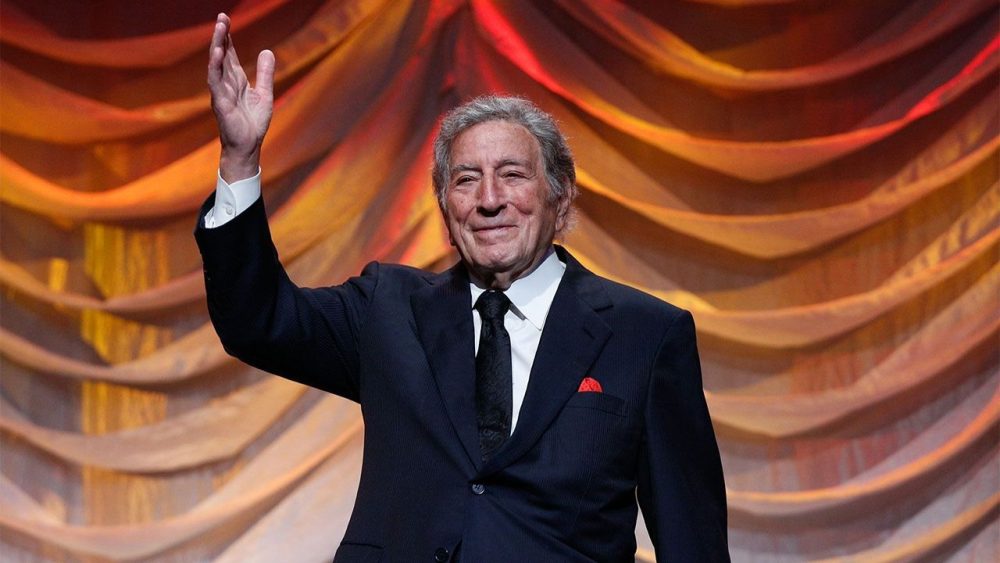
When most people develop dementia, they end up mostly staying out of public life. That’s easy enough to do…after all, nobody blinks an eye when an elderly person decides to become a kind of hermit. However, when famous people suddenly disappear, everyone notices. And that leads to a very difficult question: is it ethical for celebrities’ families to encourage them to keep performing? Or is it better to encourage the celeb to step back from public life?
That’s a decision that Tony Bennett’s wife and son had to face once the famous singer was diagnosed with dementia in 2016. His condition wasn’t revealed to the public until 2021; before that, he continued singing and performing as if nothing had changed. His family encouraged him to do so on the advice of his physician. Why, though, did Bennett’s doctor think he should keep on singing? Believe it or not, it was to keep him as healthy as possible!
One of the best ways to prevent and fight off the effects of dementia is by keeping the brain stimulated. This is why so many elderly people keep their minds engaged with things like Sudoku puzzles. Bennett’s doctor reasoned that continued performances were the best way to keep the musical icon’s brain stimulated. And it worked! The performances kept Bennett’s mind very sharp, and it always impressed his wife that he never lost a step despite his battle with dementia.
RELATED: The Shocking On-Air Moment That Predicted Kim Kardashian’s Alzheimer’s Risk
Margaret Thatcher
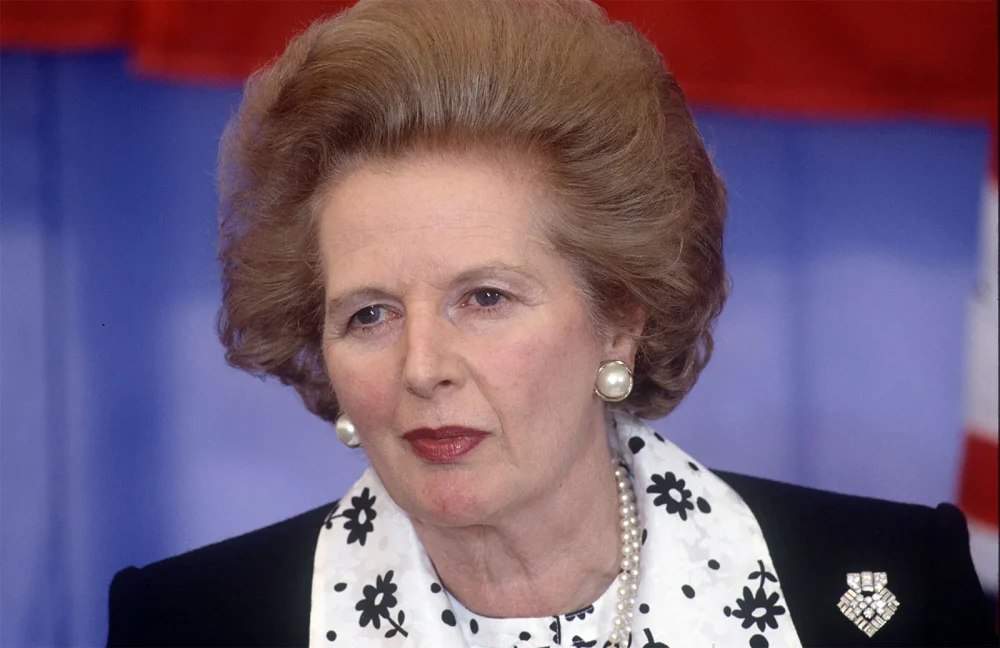
Former British Prime Minister Margaret Thatcher died in 2013 at age 87. Her dementia became widely known in 2008, when her daughter Carol wrote about her mother’s memory problems in a memoir. The book described signs of decline dating back to around 2000. Some people criticized Carol for revealing private information about her mother’s health.
Thatcher had been largely out of public life for years by then. Her story raised questions about whether family members should share a loved one’s diagnosis when that person can no longer speak publicly about it.
Bruce Willis
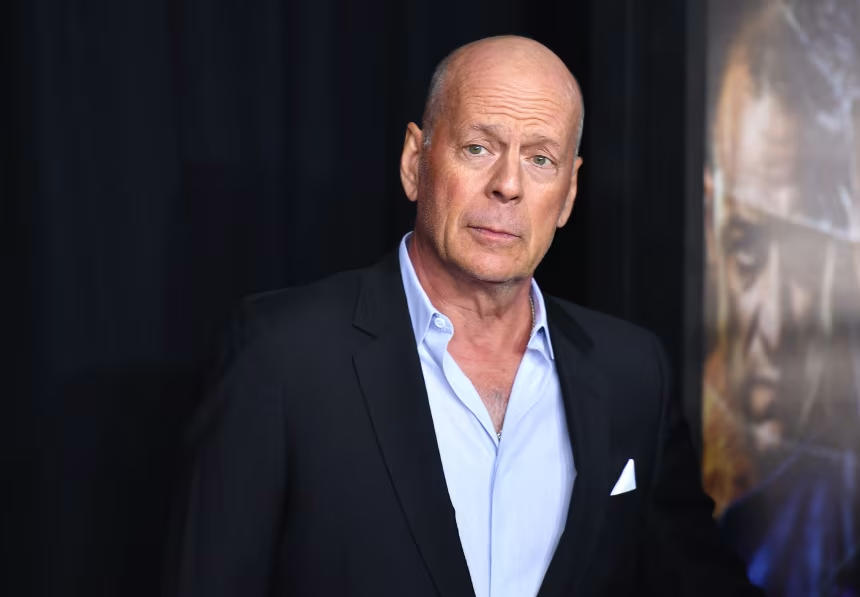
Bruce Willis spent decades as one of Hollywood’s most recognizable action stars, from Die Hard to The Sixth Sense. So when his family announced in 2022 that he was stepping away from acting because of aphasia, the news came as a shock to fans. Aphasia can affect a person’s ability to communicate, and Willis’s family said it was affecting his cognitive abilities.
The following year, his family shared that doctors had given him a more specific diagnosis: frontotemporal dementia, or FTD. They chose to speak publicly about the condition to raise awareness and encourage more research. Willis didn’t hide his diagnosis, but his story is a reminder that dementia can change a family’s life long before most fans know what is happening.
Ronald Reagan
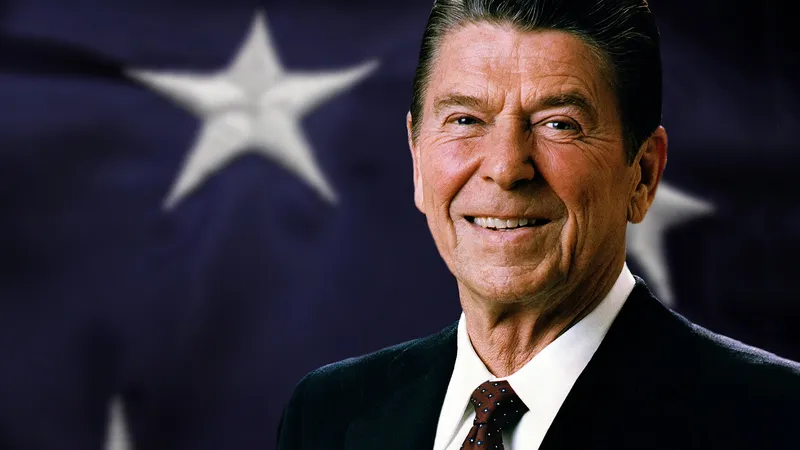
Ronald Reagan made his Alzheimer’s diagnosis public in 1994, five years after leaving the presidency. He shared the news in an open letter, saying he felt fine at the time but understood that the disease could progress and affect his family.
Reagan died ten years later at age 93. His wife, Nancy Reagan, later became a prominent advocate for Alzheimer’s awareness. By speaking openly about his diagnosis, the former president gave the public a rare look at how a family might prepare for a disease that can gradually change a person’s memory and independence.
RELATED: The Health Scare That Brought King Charles and Kate Middleton Closer Together