

It’s not always polite to talk about, but there’s basically nothing scarier than cancer. Someone may appear perfectly healthy one day and then receive a fatal diagnosis the next. While some cancers can be treated, others cannot; therefore, everyone is constantly seeking ways to prevent this illness from occurring. There are many ways to do so, including making major changes to your lifestyle. But would you believe one of the best ways to prevent cancer is to simply make changes to your diet?
It’s true! There are many foods that are attractive for more than their flavor. The right ingredients can do wonders for your health and prevent many things, including cancer. Surprisingly enough, one of the best foods for this is tomato juice. That’s right; the same thing that powers your Bloody Marys! But what makes tomato juice so effective in the fight against cancer? How does this work, and who will it not work for? Keep reading to find out!
How can tomato juice prevent cancer?

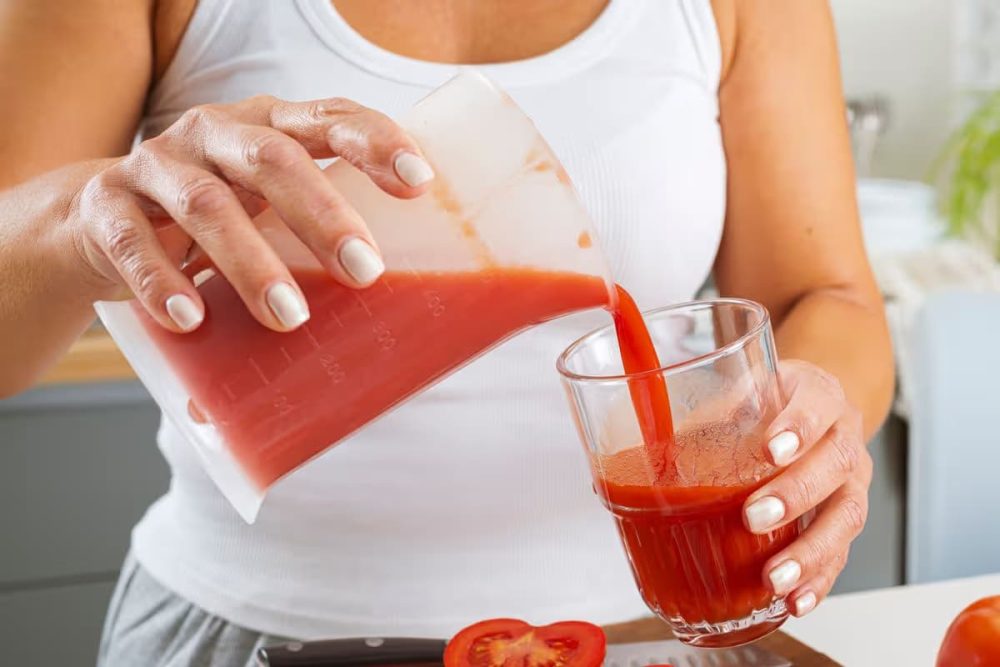
Let’s cut to the chase. We’ve all had tomato juice, whether as a drink or in a cocktail. But what makes tomato juice effective in preventing cancer? It’s all due to the lycopenes inside this beverage. According to a 2022 study, lycopene can reduce the risk of cancer because it reduces the effects of oxidative stress.
Why is that significant, though? Basically, oxidative stress damages your DNA; after a while, that opens you up to the risk of cancer. Fortunately, that gives you a simple goal: avoid stressing your DNA to avoid cancer. Tomato juice is one of the easiest and tastiest ways to protect yourself, and it works for most people, even though other foods are high in lycopene. However, there is one group that should definitely avoid making tomato juice a regular part of their diet.
RELATED: Cabbage: Your Secret Weapon Against Cancer?
Will tomato juice work for everyone?

As you probably already know, nothing is 100 percent effective, 100 percent of the time. Sadly, that holds true for tomato juice as a cancer preventative. While it’s effective for the vast majority of people, there is one group that needs to avoid regularly drinking this tasty beverage: those with gastroesophageal reflux disease (GERD). For this group, drinking tomato juice on a regular basis is going to be more trouble than it’s worth.
Why is that? Basically, GERD has some nasty symptoms because it allows both food and corrosive stomach acid into your esophagus. This can lead to some annoying symptoms, including heartburn, backwash, and pain in the chest and/or belly. What does this have to do with drinking tomato juice? The short answer is that this juice can trigger these GERD symptoms. Sure, tomato juice may still reduce cancer risks for those with GERD, but drinking it regularly will put their bodies through so much pain and stress that it significantly reduces their quality of life.
What other foods are high in lycopene?

So, the good news is that tomato juice can help prevent cancer. The bad news is that it can’t really be consumed by anyone with GERD without triggering some very painful symptoms. Does that mean that those with GERD can’t find other tasty ways to reduce their cancer risk? Nope! In fact, there are a number of other, safer foods that are still high in lycopene. A great example of this is watermelon. In addition to being a cool, tasty treat, watermelon also neutralizes stomach acid, making it one of the safest things those with GERD can eat.
Similarly, papaya is a wonderful diet addition for anyone with GERD. That’s because it (like watermelon) is so low in acid. Furthermore, it contains papain, a special enzyme that helps break down protein and aids digestion. These foods are proof that even if you have GERD, you can still have it both ways. Specifically, you can enjoy some very tasty foods while reducing the risk of cancer, one bite at a time!
RELATED: 17 Cancer Warning Signs: See Your Doctor Immediately If You Have Any Of These
If you have GERD, what other foods should you avoid?
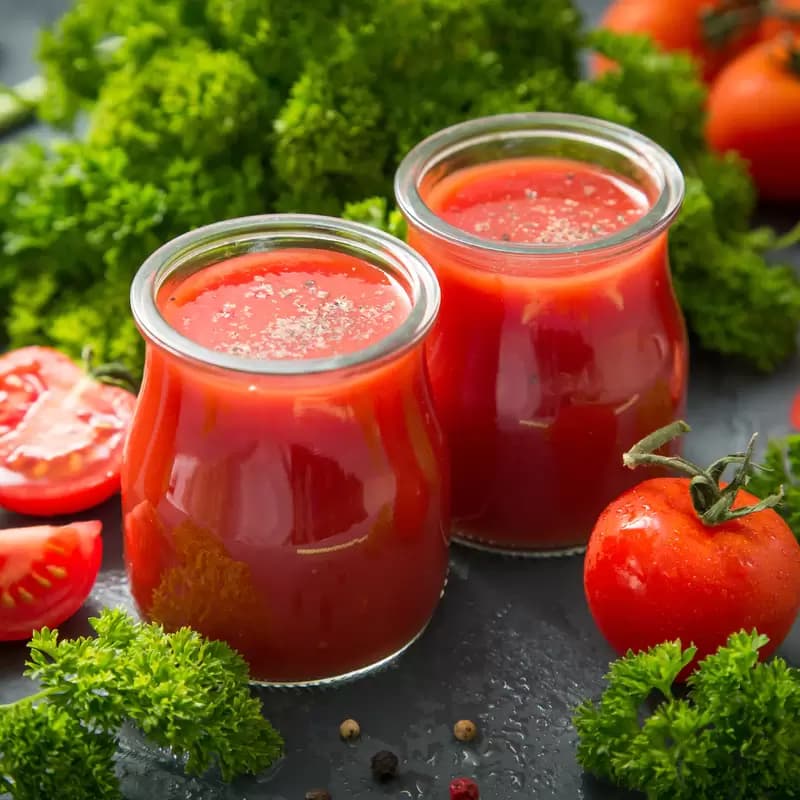

Above, we covered why those with GERD should avoid tomato juice: because it triggers their symptoms and can be very painful. Unfortunately, that’s not the only food that those with this health condition need to avoid. For example, it’s also important to avoid grapefruit and any other citrus fruits like lemons and oranges. Sadly, many other fruits are dangerous for those with GERD, including plums, pineapples, and pomegranates.
Outside of fruits, those with GERD can also have their symptoms triggered by coffee, tea, and energy drinks. Alcohol is bad for you, and even simple sodas (with or without caffeine) can trigger your symptoms. The list goes on, which underscores a simple point: if you have GERD, be sure to regularly consult with your doctor about what foods you should or should not avoid!